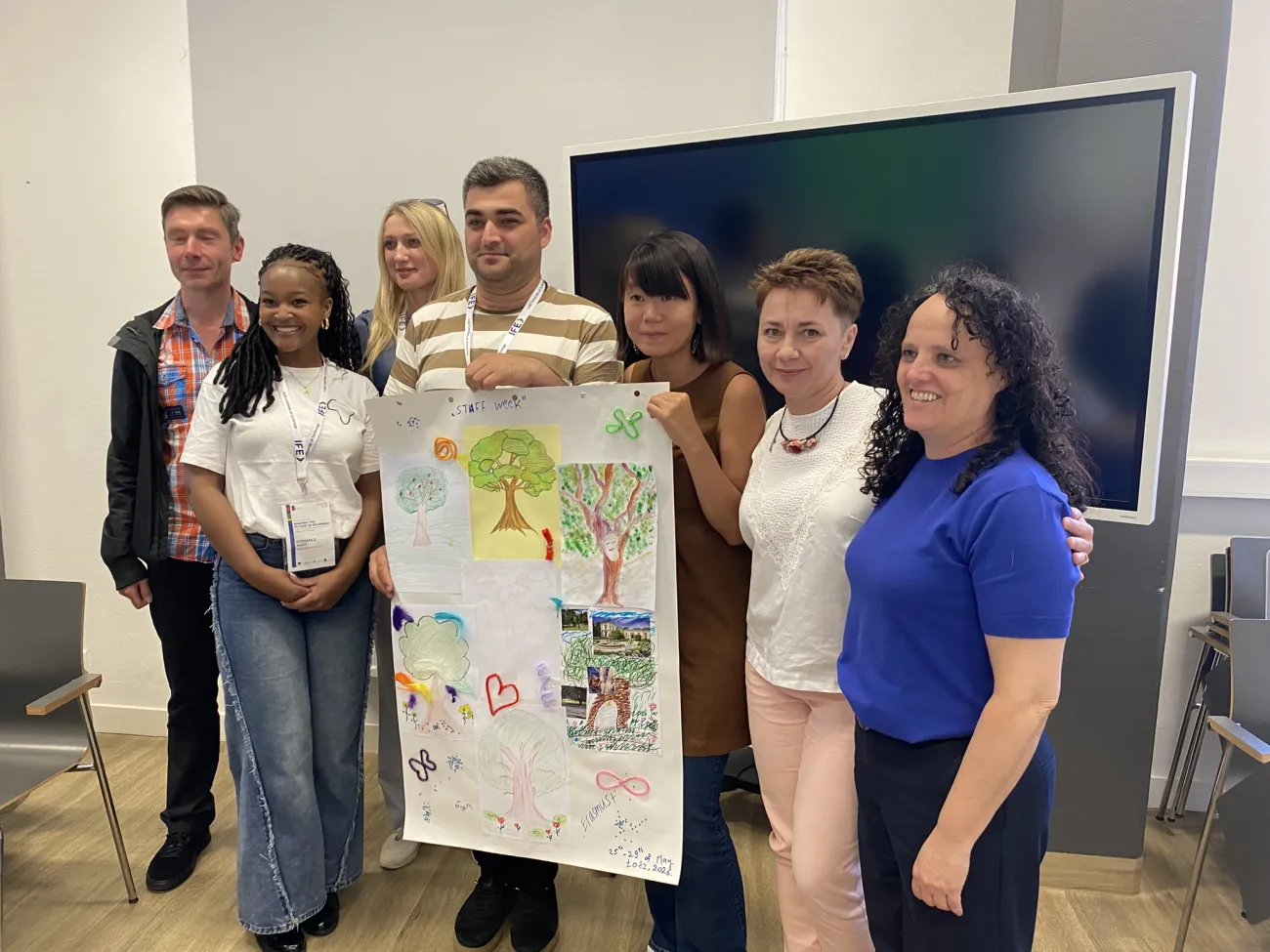
A respected employee of a renowned university for a brief moment becomes a little boy again. He climbs a cherry tree growing in front of his house. Meanwhile, his colleague from another university hides inside a huge hollow trunk of her favourite tree. Last Wednesday I saw this with my own eyes. Not only did I witness it, but I also played a small part in making this happen.
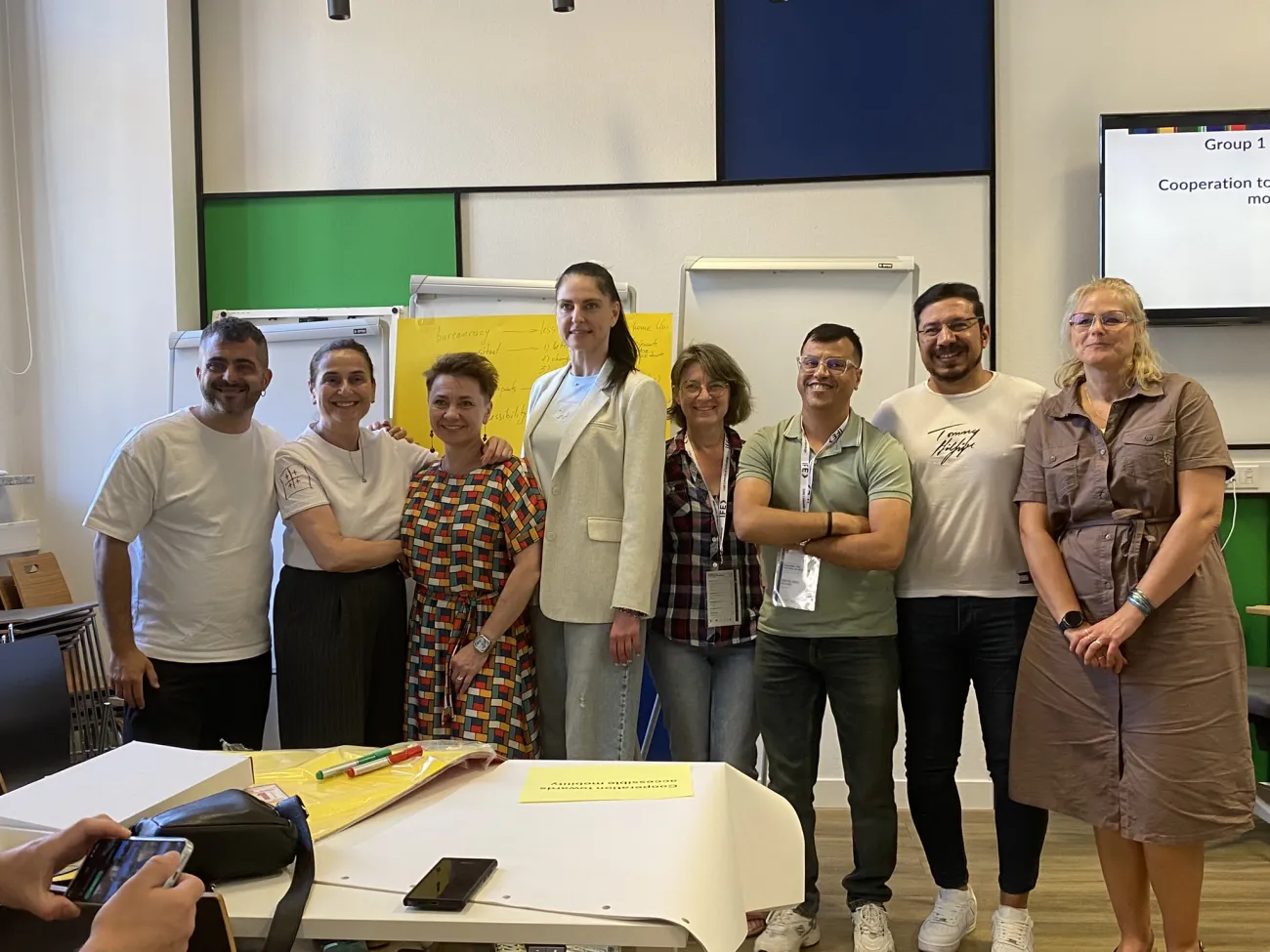
During the last week of May, the Academic Support Unit was invited to deliver two workshops within a staff training week organized by the International Cooperation Centre. The event brought together more than twenty administrative staff members from universities around the world.
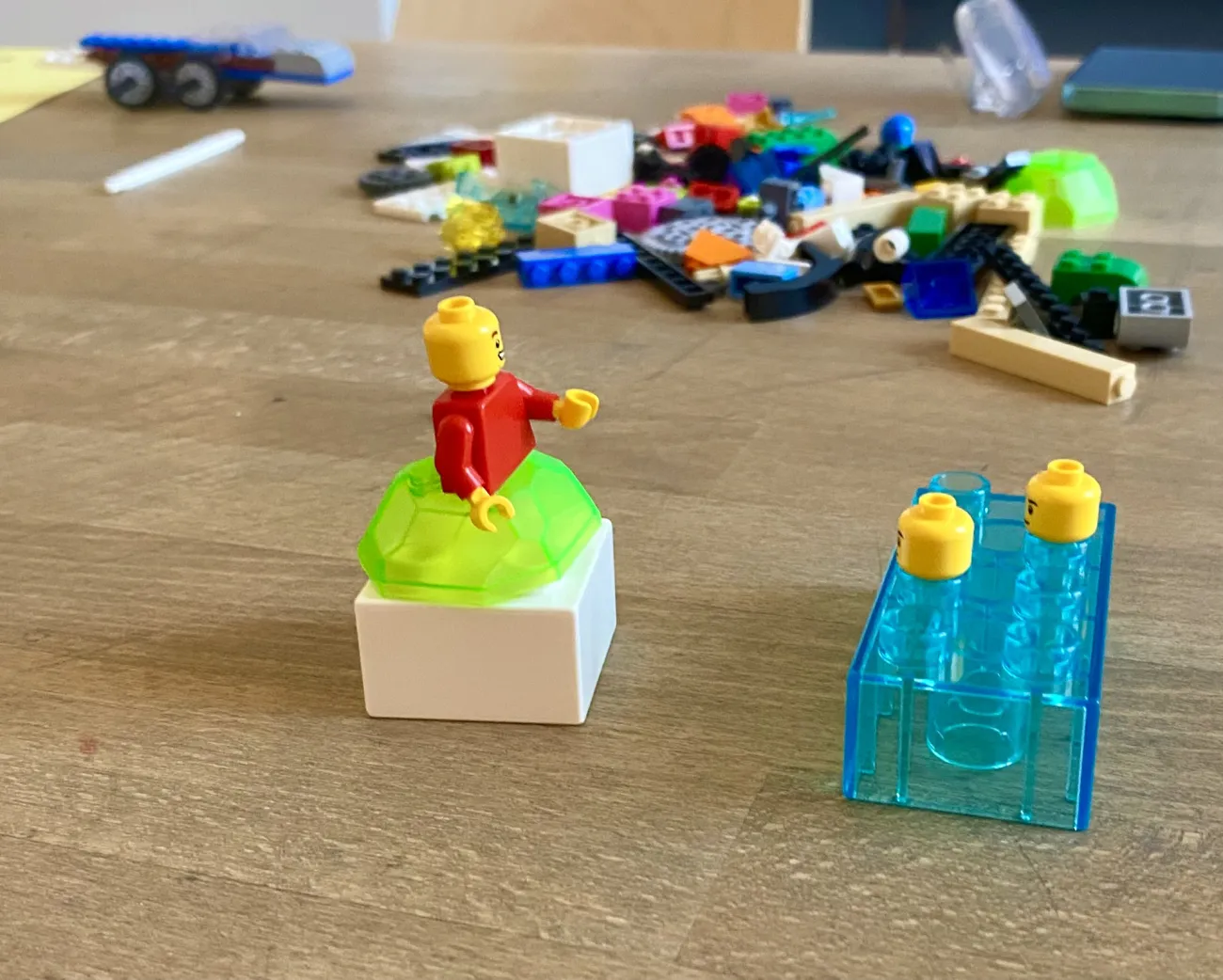
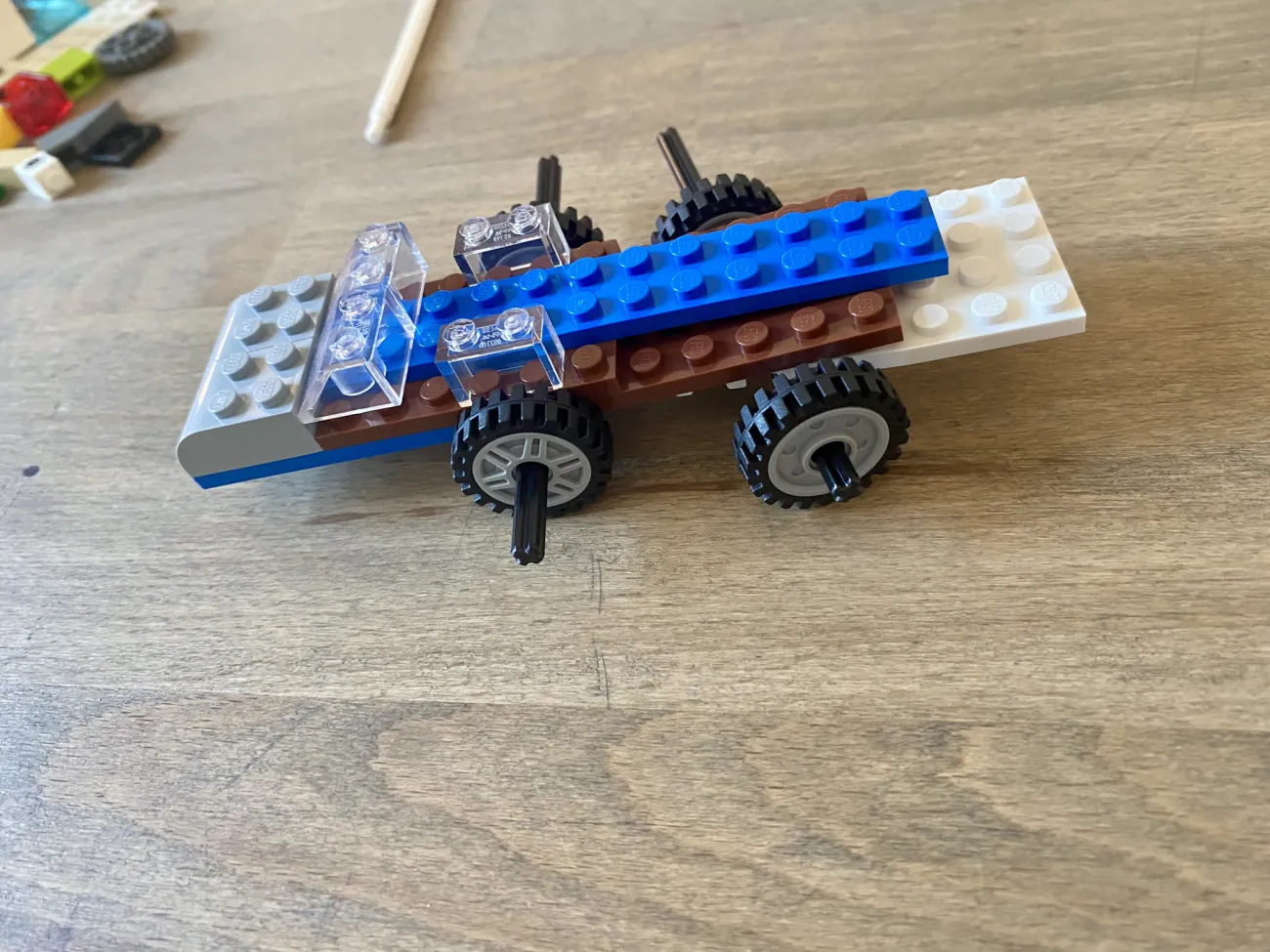
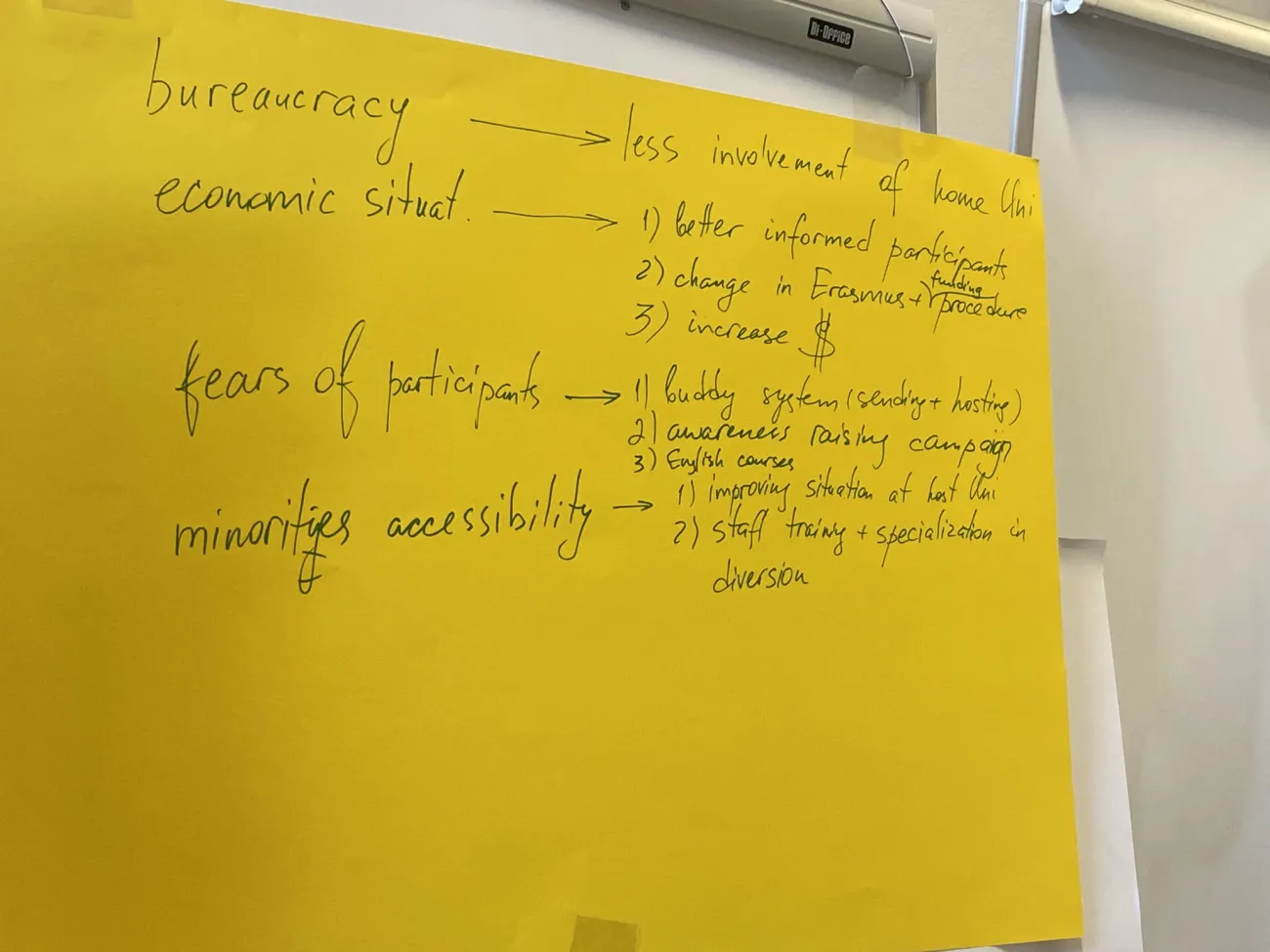
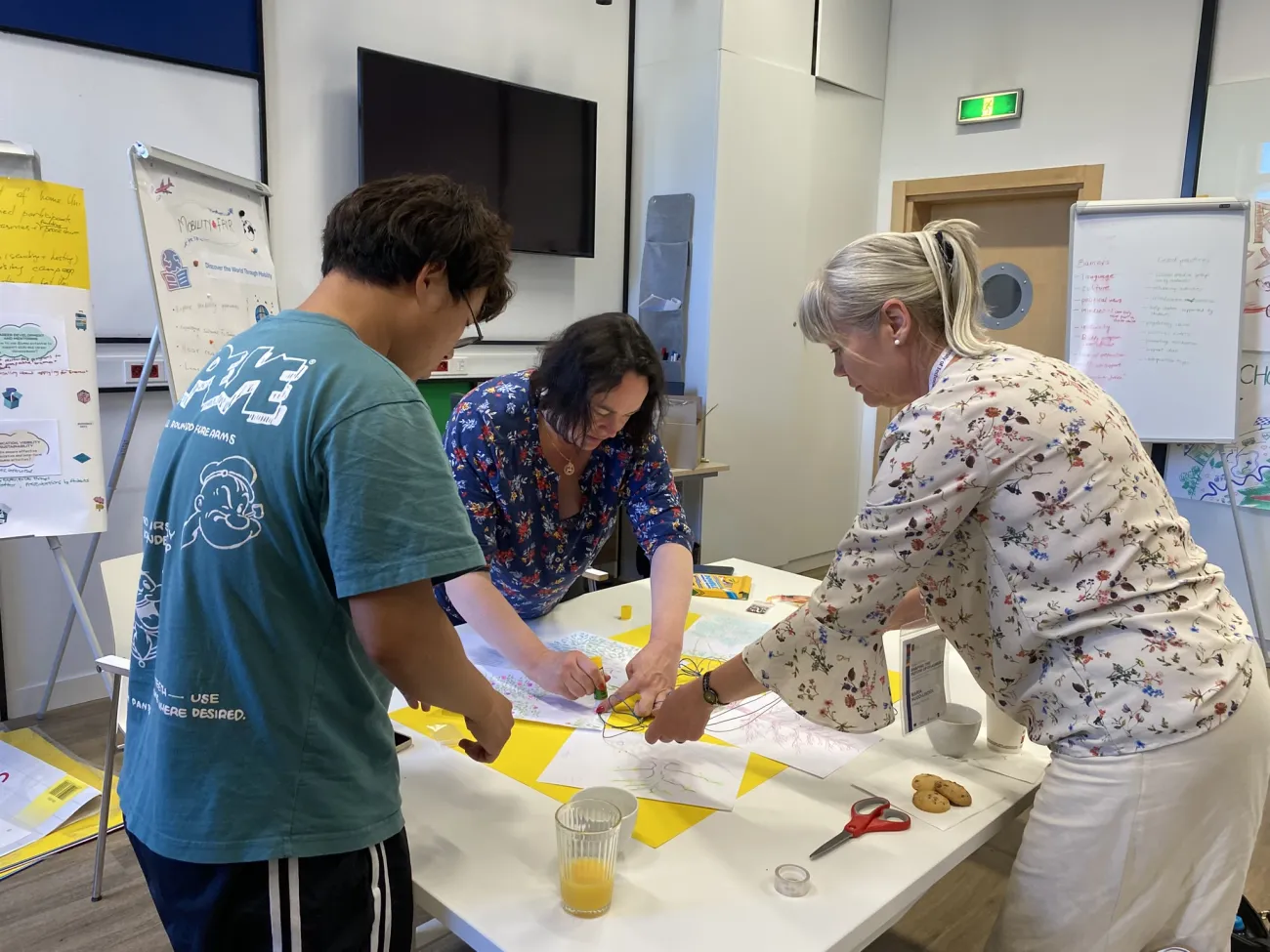
The first workshop was co-facilitated by Dr. Joanna Sztobryn-Giercuszkiewicz and me. Participants were invited to reflect on the barriers that stand in the way of making international mobility programmes accessible to all students, regardless of their specific needs, financial circumstances, background, or other challenges. The invitation took an unusual form: LEGO bricks appeared on the tables, and the participants were asked to build small constructions illustrating the difficult experiences faced by those taking their first steps toward educational mobility. The participants created scenes mostly based on the challenges they knew from their own life. The group did not just identify the problems; they also developed potential solutions. The one that surprised us the most was the suggestion that students applying for an international exchange should communicate directly with the host institution, bypassing their home university altogether. As radical as this idea sounds, it definitely points to an issue which is considerable at least in some countries.
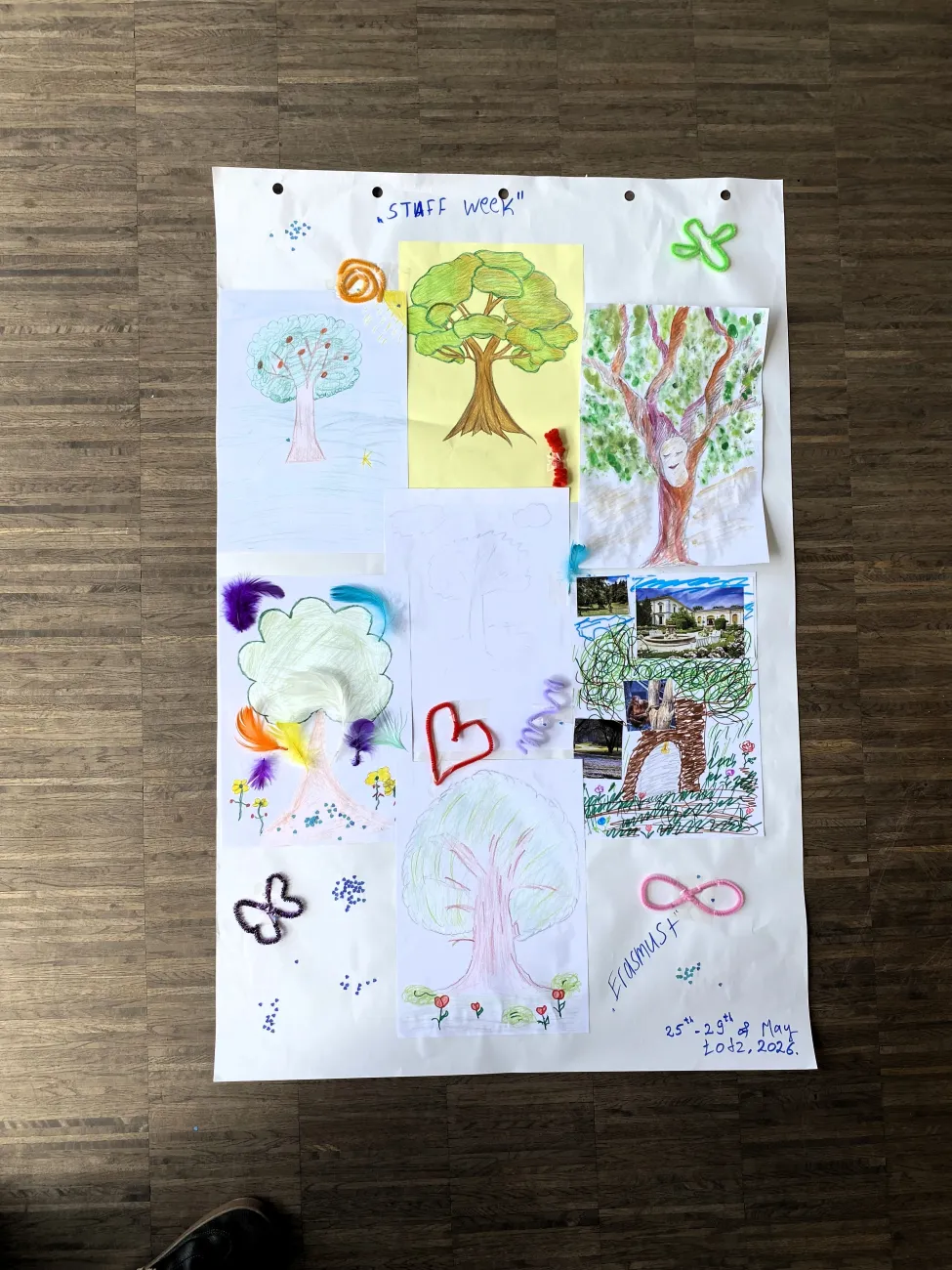
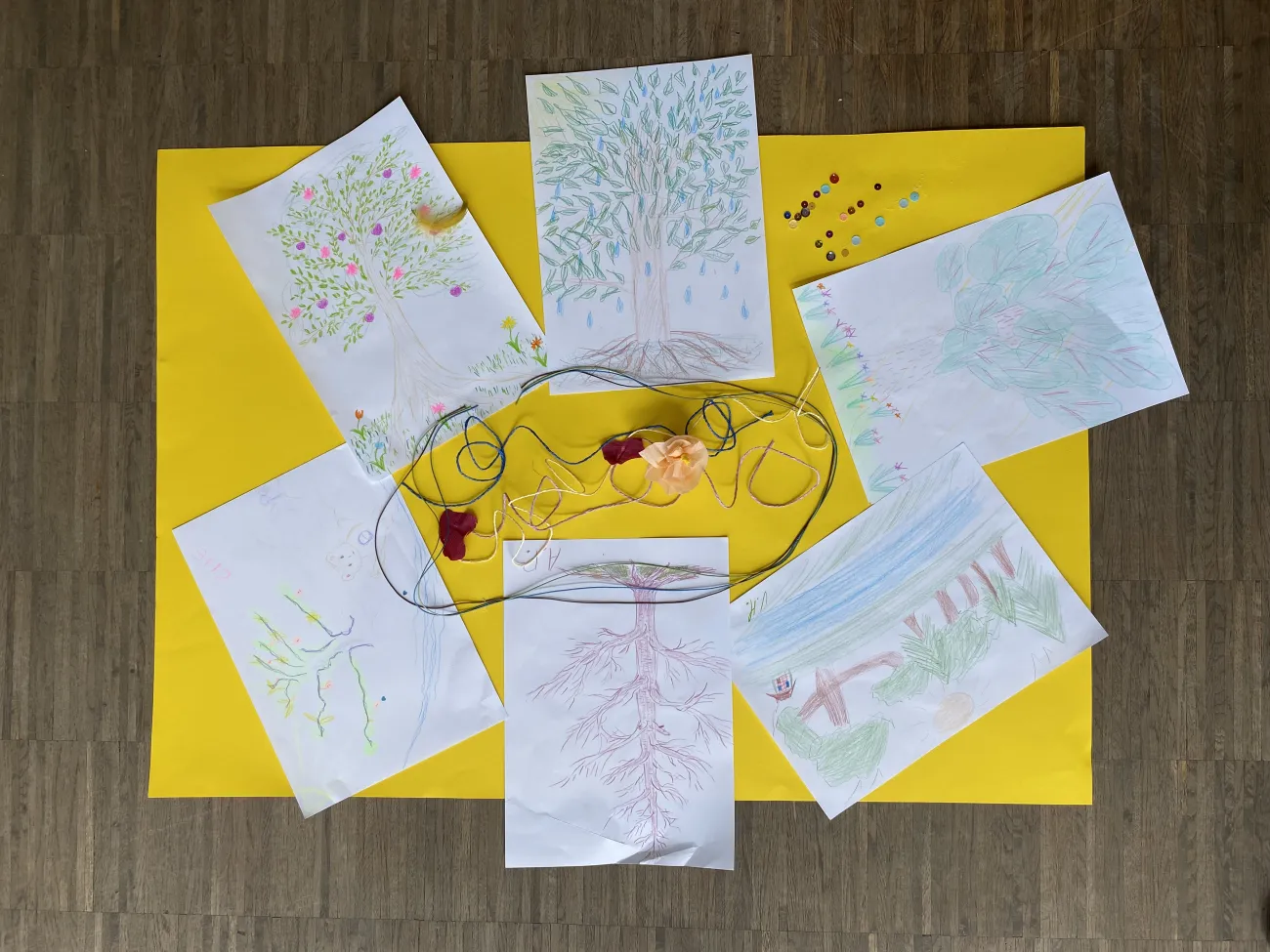
Now let us return to the university staff member revisiting the land of his childhood. This journey through time and space was possible thanks to the art therapy workshop that I had the pleasure of delivering during the training week. The workshop’s purpose was to offer to our visitors a tool for regulating their nervous systems overloaded with difficult emotions that arise while working with students and responding to crisis situations.
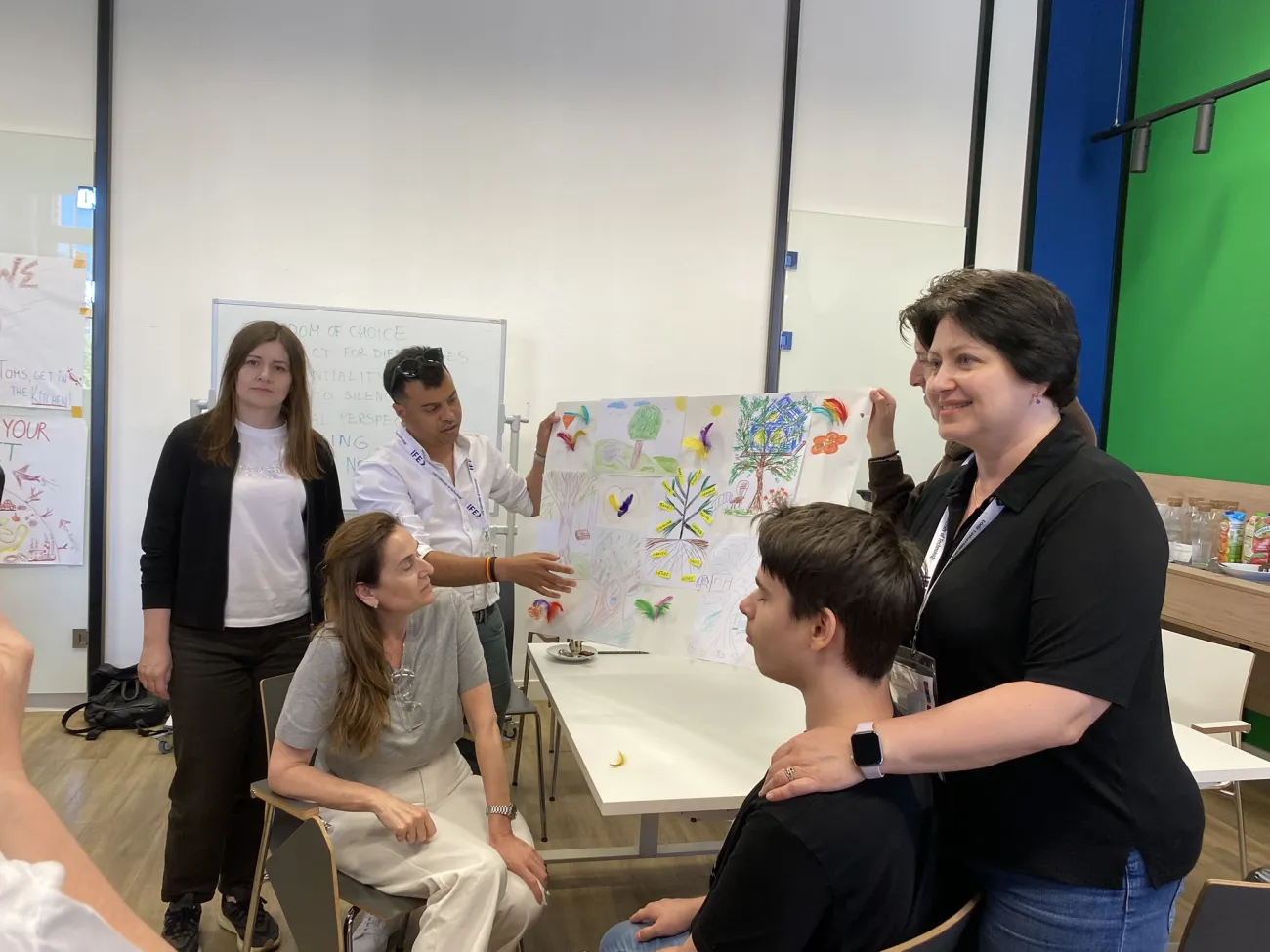
I gave some serious thought to the best scenario for the group, and I chose a tree as a symbol of strength and comfort. The tree is a manifestation of nature that can both provide shelter and be embraced. Participants drew trees that evoked feelings of calmness and security. Some built small treehouses in the crowns of their trees, while others used the branches to hang wooden swings from them. Later, they brought their individual trees together. Thus, colourful forests emerged on large sheets of paper. In these ecosystems, every tree mattered and each was connected with all the others.
I will remember the atmosphere of joy and lightness in which these artworks came into being. As for the participants, I hope they returned home with the belief that the creative process is just as important as the final result.
We would like to thank our colleagues from the International Cooperation Centre for the opportunity to co-create this event that fostered so many new connections and friendships. We also truly appreciate the openness and creativity of the event’s participants.
Małgorzata Świt
Image
Image
Image
Image
Image
Image
Image
Image